
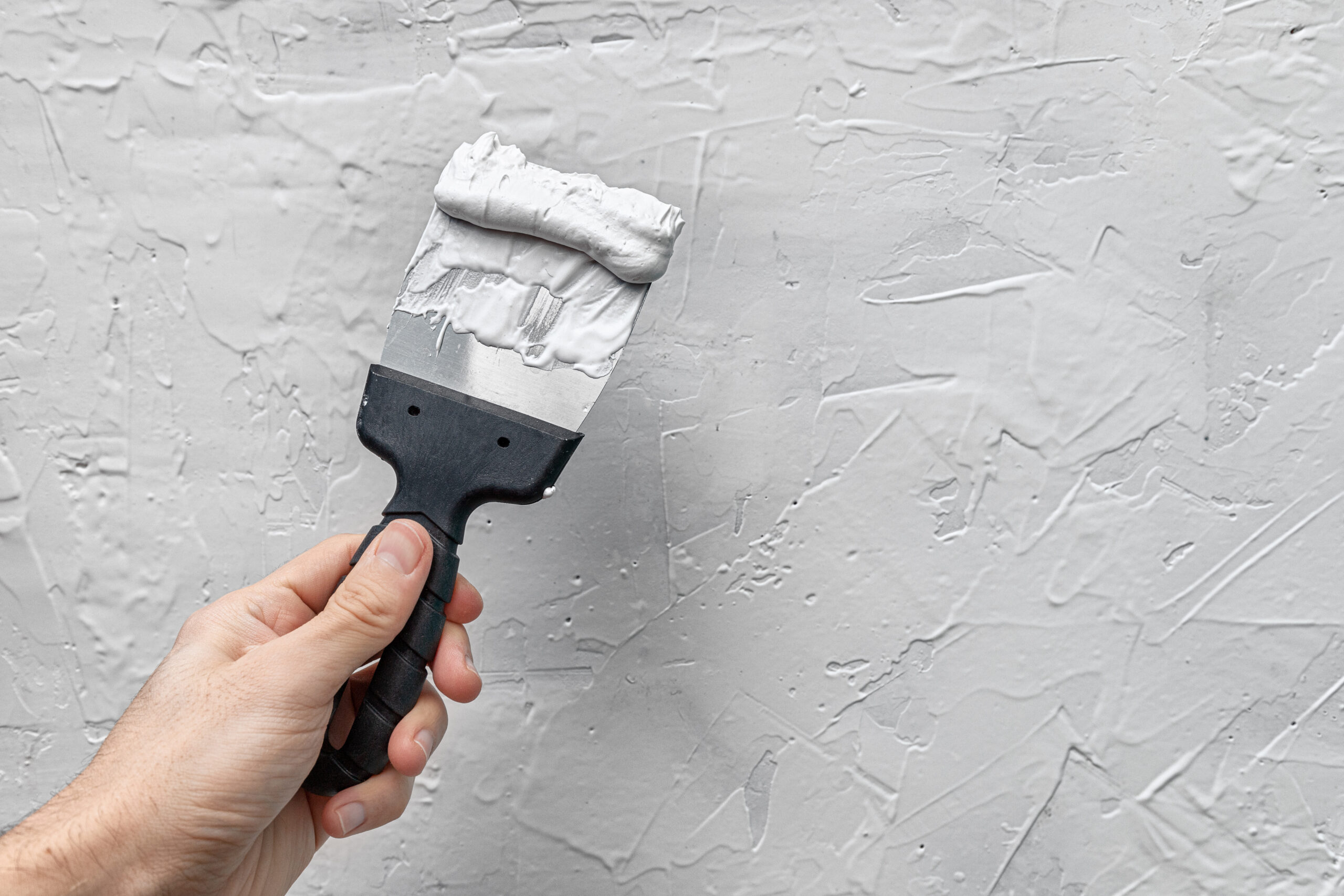
Drywall is one of the most essential elements in modern construction, providing a smooth, durable surface for walls and ceilings. While it may seem straightforward, installing drywall correctly takes skill, precision, and attention to detail. Whether you’re a DIY enthusiast or hiring a professional, it’s important to be aware of the common pitfalls that can affect the quality and longevity of your drywall. At Silverline Drywall, we believe that understanding these mistakes is the first step toward achieving flawless results. Below, we highlight the most common drywall installation mistakes and how to avoid them.
Poor Framing Preparation
Before any drywall goes up, the framing needs to be square, level, and properly spaced. Skipping this critical step can lead to major issues down the line, such as uneven drywall surfaces and instability.
- Uneven Studs: Can cause drywall sheets to bulge or leave gaps.
- Incorrect Stud Spacing: Deviating from the standard 16 inches on center can weaken the structure.
- Missing Blocking: Makes installation in corners and ceiling transitions more difficult.
Using the Wrong Drywall Type
Selecting the right type of drywall for each area of your home is crucial. Moisture, fire exposure, and structural needs all play a role in what drywall to use.
- Regular Drywall in Wet Areas: Not suitable for bathrooms, kitchens, or basements.
- Overlooking Fire-Rated Options: Necessary for areas near heat sources or in multi-family buildings.
- Improper Thickness: Ceilings typically require thicker drywall than walls.
Bad Cutting and Measuring
Precision in cutting and measuring is essential for seamless installation. Mistakes here often result in extra work and a less polished final product.
- Rough or Jagged Cuts: Lead to poorly fitted seams and corners.
- Incorrect Measurements: Throw off wall alignment and can waste materials.
- Not Accounting for Openings: Always pre-measure and cut for windows, doors, and electrical boxes.
Improper Fastening Techniques
Drywall must be securely fastened using the correct technique. Poor fastening can compromise the structural integrity and cause visible surface flaws.
- Overdriven Screws: Weaken the hold and damage the drywall paper.
- Underdriven Screws: Interfere with taping and create bumps.
- Inconsistent Spacing: Should be 12 inches on walls and 8 inches on ceilings.
Inadequate Joint Treatment
Proper taping and mudding are critical for smooth, seamless walls. Skimping on this step can cause visible flaws and structural issues later.
- Not Embedding Tape Properly: Leads to peeling and bubbling.
- Applying Too Much Compound at Once: Makes sanding difficult and increases cracking risk.
- Skipping Sanding Between Coats: Prevents a smooth, even finish.
Ignoring Expansion and Contraction
Drywall reacts to humidity and temperature, so installation must account for natural movement. Without this, cracking and warping are inevitable.
- No Gaps Between Sheets: Small gaps help accommodate movement.
- Tight Fit Around Openings: Can lead to cracking when materials expand.
- Improper Control Joints: Necessary for large spaces to absorb expansion.
Rushing the Process
Speed should never come at the expense of quality. Taking shortcuts often results in costly repairs and an unsatisfactory final product.
- Skipping the Primer: Affects paint adhesion and uniformity.
- Painting Too Soon: Traps moisture and ruins the finish.
- Lack of Cleanup: Dust interferes with paint and texture adherence.
Conclusion
Installing drywall might seem like a simple task, but even small mistakes can lead to big problems down the road. By understanding the most common drywall installation errors, homeowners and professionals alike can take steps to ensure high-quality, long-lasting results. At Silverline Drywall, we bring years of expertise and a commitment to excellence to every project. Whether you’re tackling a single room or a whole-house renovation, trust us to get the job done right the first time. Contact us today to learn more about our services or to schedule a consultation.
