
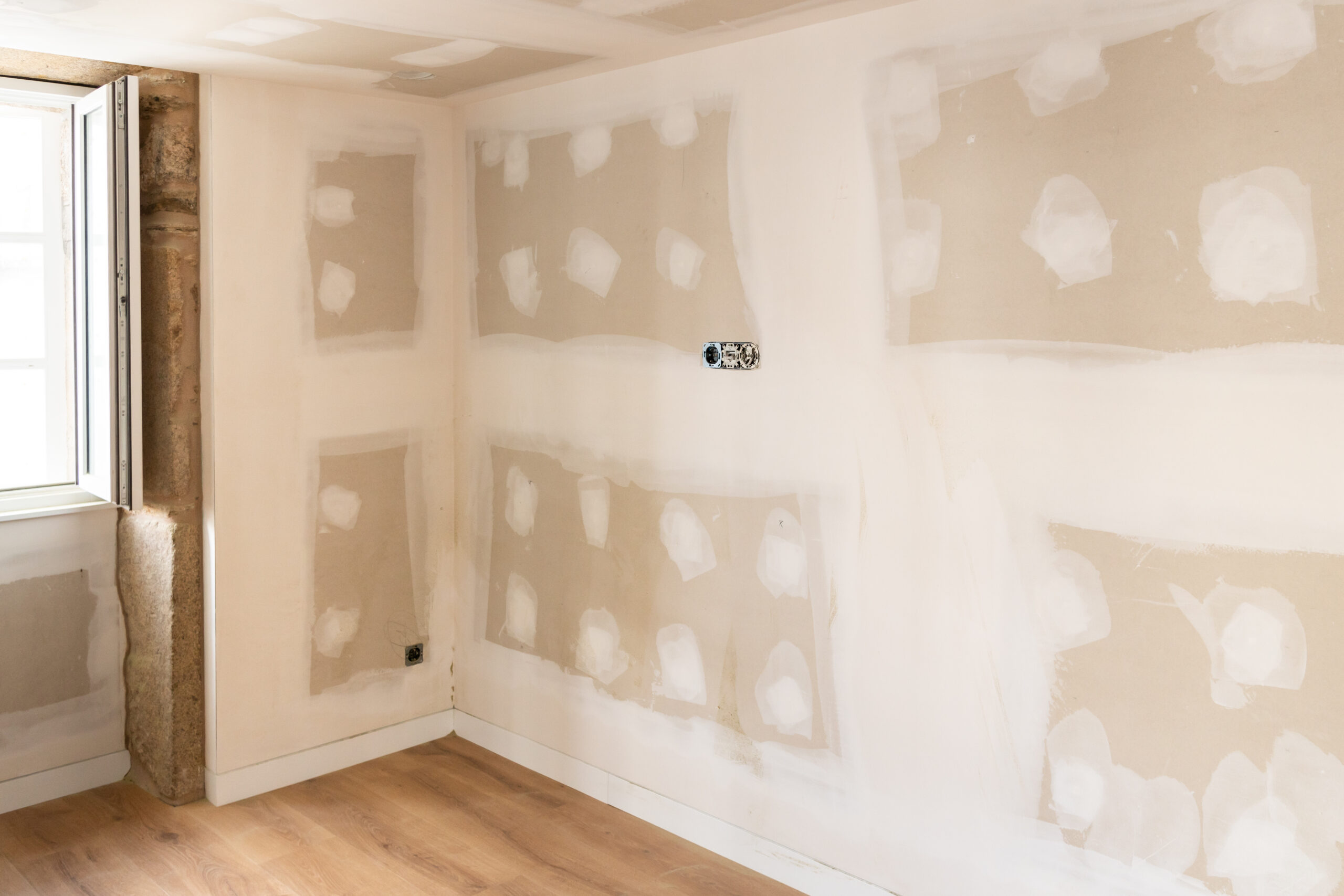
Drywall is one of the most commonly used building materials in homes and commercial buildings alike. It provides structure, insulation, and a smooth surface for painting or finishing. While drywall is designed to be durable and long-lasting, it’s not immune to wear and tear over time. At Silverline Drywall, we often hear the question: “How often does drywall need to be replaced?”
The answer varies based on several factors including the age of the building, environmental conditions, quality of the initial installation, and how well the drywall has been maintained. In this blog post, we’ll walk you through the key signs that indicate it’s time to replace your drywall, common causes of drywall damage, and tips to prolong its life.
How Long Does Drywall Typically Last?
Under normal conditions, drywall can last decades—often 30 to 70 years—before needing full replacement. However, its lifespan can be shortened by environmental damage or poor maintenance.
- Well-Maintained Drywall: Can last 50+ years in stable, dry indoor environments.
- Moisture-Damaged Drywall: May require replacement within a few years if exposed to leaks or high humidity.
- High-Traffic Areas: Drywall in busy areas may need more frequent repairs or replacements due to dings and dents.
Common Reasons Drywall Needs Replacement
Several factors can lead to the need for drywall replacement, even before it reaches its maximum lifespan.
- Water Damage: Leaks from plumbing, roofs, or flooding can saturate drywall, leading to mold growth and structural weakness.
- Mold and Mildew: If mold has penetrated the drywall, it’s often safer and healthier to replace it entirely.
- Structural Movement: Shifting foundations or settling can crack drywall beyond repair.
- Fire or Smoke Damage: Fire can weaken drywall and smoke can leave behind permanent stains and odors.
- Pest Infestation: Termites, rodents, or other pests can compromise the integrity of drywall from the inside.
- Age-Related Wear: Over time, drywall can become brittle, crumbly, or start to sag, especially in older homes.
Signs It’s Time to Replace Your Drywall
Keep an eye out for these signs that suggest your drywall may need to be replaced rather than just patched or painted.
- Large Cracks or Holes: Minor cracks can be repaired, but large or spreading cracks may signal deeper structural issues.
- Sagging or Warping: This is often a sign of moisture damage or structural stress.
- Persistent Stains: Yellow or brown stains indicate ongoing moisture issues that likely require replacement.
- Mold Growth: Any visible mold should be addressed immediately. Infected drywall should be removed to prevent health issues.
- Crumbling Texture: If drywall feels soft or starts crumbling when touched, it’s beyond saving.
- Unpleasant Odors: Musty smells may signal hidden mold or mildew inside the walls.
Can Damaged Drywall Be Repaired Instead of Replaced?
Not all damage requires full replacement. In many cases, drywall can be repaired if the issues are minor or localized.
- Patching Small Holes: Nail holes or small dents can be easily patched with spackle or joint compound.
- Crack Repair: Hairline cracks or seams can be taped and mudded without removing the drywall.
- Spot Replacements: Small damaged sections can be cut out and replaced with new drywall panels.
However, if over 30-50% of the drywall in a room is compromised, full replacement is usually more efficient and cost-effective.
Tips for Extending the Life of Your Drywall
Preventative care and maintenance can go a long way in preserving the condition of your drywall.
- Control Moisture: Keep indoor humidity levels in check and fix leaks promptly.
- Use Proper Anchors: Avoid pulling or sagging by using appropriate anchors for wall hangings.
- Seal and Paint: High-quality primers and paints add an extra layer of protection against stains and moisture.
- Avoid Impact Damage: Be mindful when moving furniture or using tools near walls.
- Routine Inspections: Periodically check for signs of wear, especially in basements, bathrooms, and kitchens.
Why Trust Silverline Drywall for Your Drywall Needs?
At Silverline Drywall, we specialize in high-quality drywall installation, repair, and replacement. Whether you’re remodeling your home, dealing with water damage, or just updating old walls, our experienced team is here to help.
- Expert Technicians: Skilled in spotting damage and recommending the right solutions.
- Top-Grade Materials: We use only premium materials to ensure long-lasting results.
- Clean, Efficient Service: We respect your time and space, delivering clean, professional results with minimal disruption.
- Transparent Pricing: No surprises—just honest estimates and fair pricing.
Conclusion
While drywall can last for decades under the right conditions, it’s important to be aware of the signs that it may need replacing. From water damage to mold and age-related wear, knowing when to replace your drywall can prevent more serious structural or health issues down the road. If you suspect it’s time for new drywall in your home or business, Silverline Drywall is here to offer expert advice and dependable service.
Contact us today to schedule an assessment or get a quote for your next drywall project!
